
Gynecological instruments play a crucial role in diagnosing, treating, and monitoring various gynecological conditions. These tools aid in identifying disorders such as cervical or uterine cancer, infections, hormonal imbalances, and structural abnormalities. The range of gynecological diagnostic instruments includes speculums, cytological sampling sticks, gynecological forceps, among others.
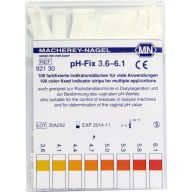
PH test between 3.6-6.1 (4-7), vaginal PH, 100 pcs
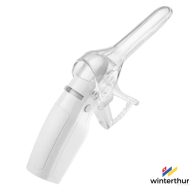
Mini videó kolposzkóp egyszerhasználatos hüvelytükörhöz
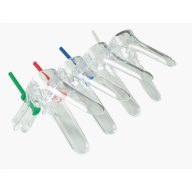
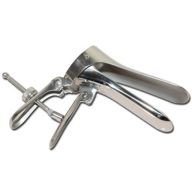
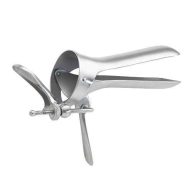
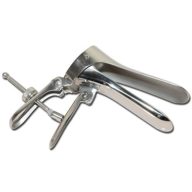
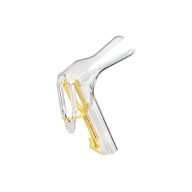
Cusco, disposable, sterile, XS, 100 pcs
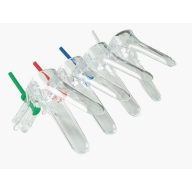
Cusco, disposable, sterile, S, 100 pcs
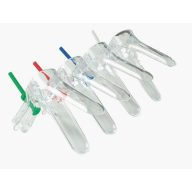
Cusco, disposable, sterile, M, 100 pcs
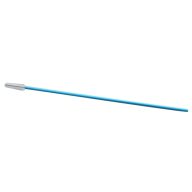
Gynaecological cytology sampler, swab, cytobrush 100 pcs

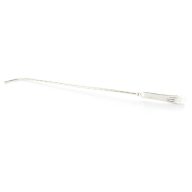
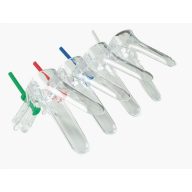
Cusco, disposable, sterile, L, 100 pcs
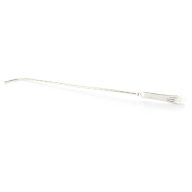
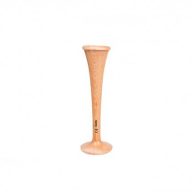
KaWe Pinard Horn - Beech wood obstetric stethoscope (17 cm)
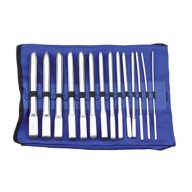
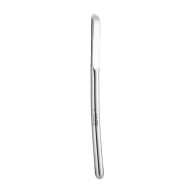
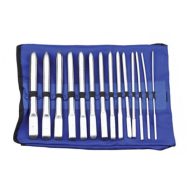
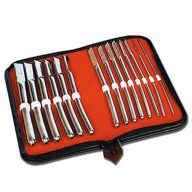
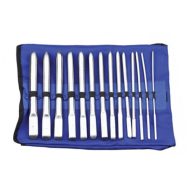
Hegar cervical dilator set with case 4,5-17,5 mm 14 pieces
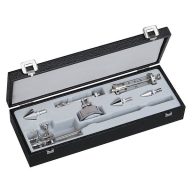
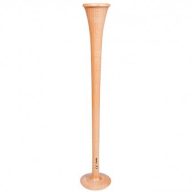
KaWe Pinard Horn - Beech wood obstetric stethoscope (33 cm)
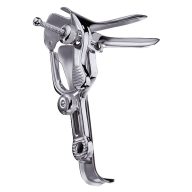
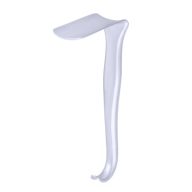
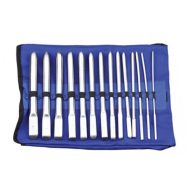
Hegar cervical dilator set with case 1.5 mm - 26.5 mm - 26 pcs
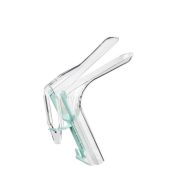
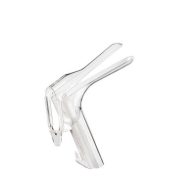
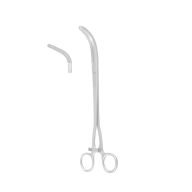
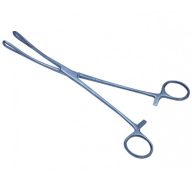
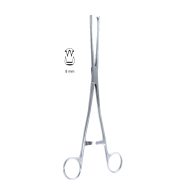
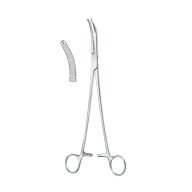
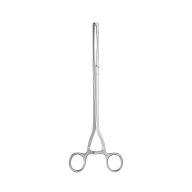
Wertheim curved gynaecological forceps for hysterectomy 255mm
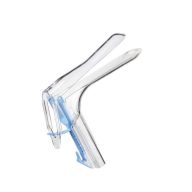
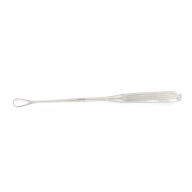
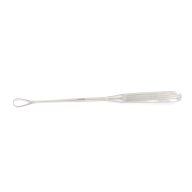
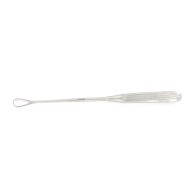
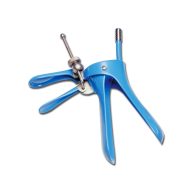
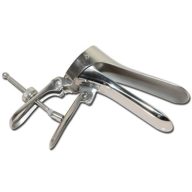
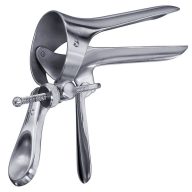
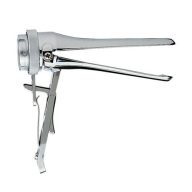
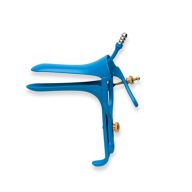
S.S. CUSCO SPECULUM-MEDIUM insulated for HF applications
The field of gynecology relies heavily on specialized instruments that assist healthcare professionals in delivering precise and effective care. These tools are indispensable in the early detection and management of a wide array of gynecological issues. For instance, speculums are vital in conducting routine pelvic exams, allowing for a clear view of the vaginal canal and cervix, thereby facilitating the early detection of abnormalities or infections. Cytological sampling sticks are used for taking samples that are essential in screening for cervical cancer and other cellular anomalies.
Moreover, gynecological forceps are crucial in procedures requiring the careful handling of delicate tissues, ensuring minimal discomfort and maximum efficiency during examinations and treatments. These tools, alongside others in the gynecological toolkit, are designed with precision to accommodate the unique anatomical and medical needs of women.
In addition to diagnostic capabilities, many gynecological instruments support treatment interventions. Devices such as hysteroscopes and colposcopes provide enhanced visibility for both diagnostic and surgical procedures, aiding in the treatment of polyps, fibroids, and endometrial abnormalities. Their design caters to both the comfort of the patient and the ergonomic needs of the practitioner, ensuring effective and efficient care.
The development and refinement of gynecological instruments continue to evolve, driven by advancements in technology and a deeper understanding of women's health needs. This progression not only enhances the accuracy and reliability of diagnoses but also improves patient outcomes through less invasive and more targeted treatment options.
Healthcare providers must stay informed about the latest innovations in gynecological tools to ensure they offer the best possible care. By investing in high-quality instruments, medical professionals can provide comprehensive care that addresses both the physical and emotional well-being of their patients. As such, the selection of gynecological instruments is a critical consideration for any practice dedicated to women's health.


