
Scissors are essential tools in any medical practice. These precision instruments allow for accurate cutting and shaping, whether it's for surgical procedures, precise handling of dressings, or tissues. Different types of scissors, such as straight, curved, or micro-surgical scissors, serve various purposes, adapting to the specific situation and needs.
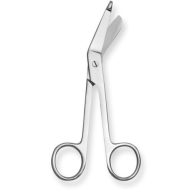
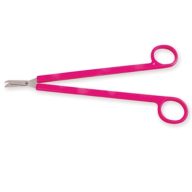

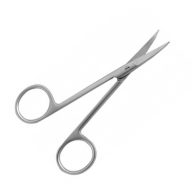
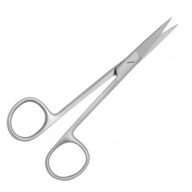
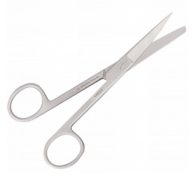
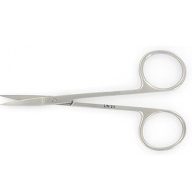
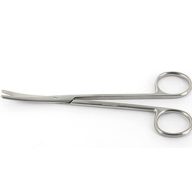
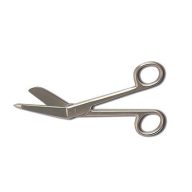
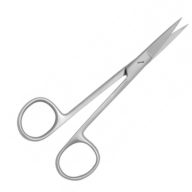
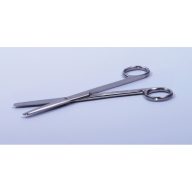
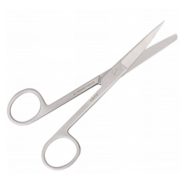
Surgical scissors pointed/pointed/straight-ended 18 cm long
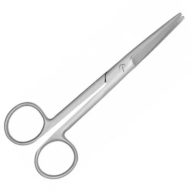
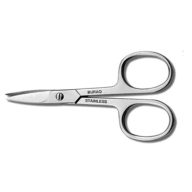
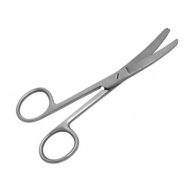
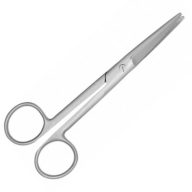
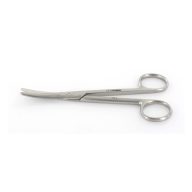
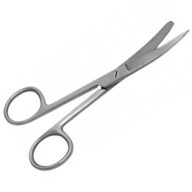
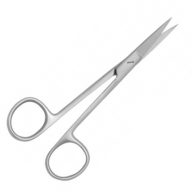
Surgical cooper scissors pointed/blunt/folded end 14 cm long
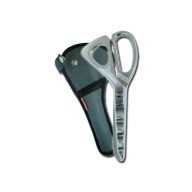
Emergency scissors with carrying bag 23,5 X 10,8 cm

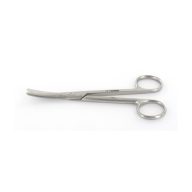
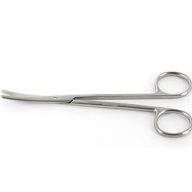
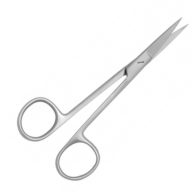
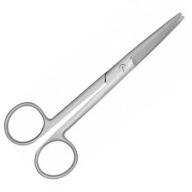
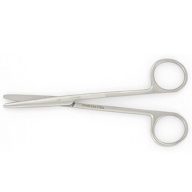
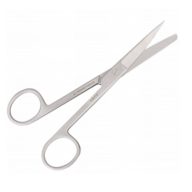
Surgical scissors straight/tapered/tapered end 20 cm long
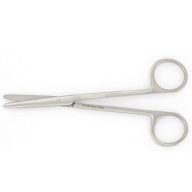
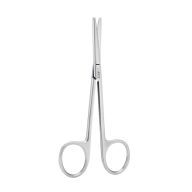
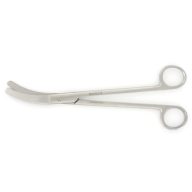
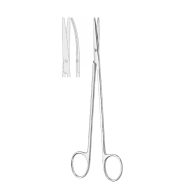
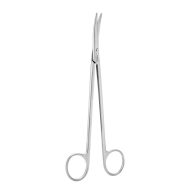
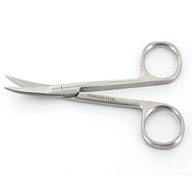
Surgical scissors Nelson-Metzenbaum blunt/blunt/folded 20 cm
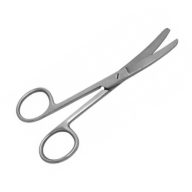
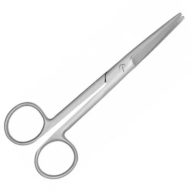
The category of medical scissors offers a wide range of options to meet different clinical needs. Surgical scissors, for instance, are indispensable tools for both general and specialized surgical procedures. These scissors come in various sizes and shapes to meet specific surgical requirements. Straight scissors are often used for general cutting tasks, while curved scissors allow for access to more challenging-to-reach areas.
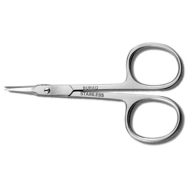
For finer, precision cutting tasks, micro-surgical scissors are ideal. These scissors feature extremely sharp blades and are suitable for careful management of the smallest details, which is crucial during micro-surgical procedures.
Bandage scissors and other medical scissors, such as dissection scissors or specialty forceps scissors, are also widely used, especially in various diagnostic and therapeutic procedures. These tools aid in quick and efficient work while minimizing tissue damage.
It's important to note that scissors require regular maintenance and cleaning to ensure long life and maximum efficiency. Sterilization is particularly important to prevent the spread of infections and ensure safe patient care.
Overall, selecting the right scissors for specific medical tasks and procedures is essential for accurate and effective work. The combination of different types and sizes allows every healthcare professional to find the most suitable tool, supporting everyday clinical work and contributing to high-quality patient care.


