
Manual Instruments
These handheld medical instruments are essential tools used by doctors and other healthcare professionals during various medical procedures and interventions. This category includes scissors, forceps, hemostats, and many more, all of which play crucial roles in surgical, diagnostic, and care-related activities. Handheld medical instruments are vital in healthcare, offering ease of use and precision in operation, enabling professionals to perform effective and safe interventions, diagnostic procedures, and treatments.
Handheld medical instruments form the backbone of numerous medical procedures, providing crucial support to healthcare professionals in delivering high-quality care. These tools are designed to be durable, reliable, and easy to manipulate, making them indispensable in both routine check-ups and complex surgeries.
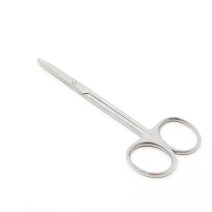
Scissors
Medical scissors come in a variety of shapes and sizes, each tailored for specific tasks, whether it's cutting through tough tissue, sutures, or bandages. Their sharpness and precision allow for clean cuts, minimizing trauma to the patient and ensuring a swift recovery process.
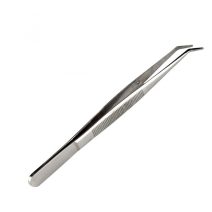
Forceps
Forceps are versatile instruments used to grasp, hold, or manipulate tissues and other surgical materials. Available in different shapes and sizes, they provide the necessary grip and control required during delicate surgical procedures or when dressing wounds.
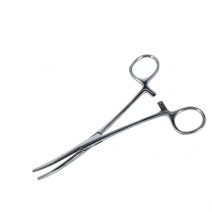
Hemostats
Hemostats are pivotal in controlling bleeding during surgery. These clamps are used to compress blood vessels, minimizing blood loss and providing a clearer surgical field. Their locking mechanism ensures that even the smallest vessels can be effectively managed.
Other Essential Tools
Apart from the staples mentioned above, handheld medical instruments also include scalpels, needle holders, and retractors. Each tool is crafted with precision, ensuring that healthcare professionals can rely on them for effective patient care.
Whether in an operating room or a general practice setting, handheld medical instruments are designed to meet the rigorous demands of the medical field. They are crafted from high-grade materials to withstand repeated sterilization processes and maintain their efficacy over time.
In conclusion, investing in high-quality handheld medical instruments is crucial for any healthcare setting. These tools not only enhance the accuracy and efficiency of medical procedures but also contribute to improved patient outcomes. As technology advances, these instruments continue to evolve, offering even more precision and control to meet the dynamic needs of modern healthcare practices.


