
Professional defibrillators are essential tools in life-saving, particularly in emergency care settings. These devices are not only designed to treat cardiac arrhythmias but often come with integrated monitoring features that allow for continuous tracking of the patient's condition. Modern defibrillators can automatically detect arrhythmias and deliver synchronized or asynchronous shocks accordingly, ensuring efficient and rapid intervention.
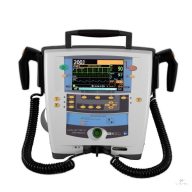
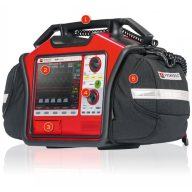
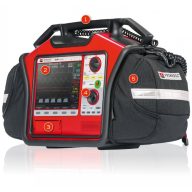
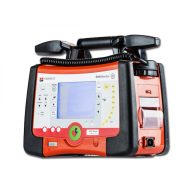
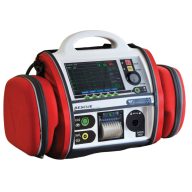
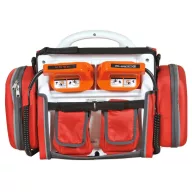
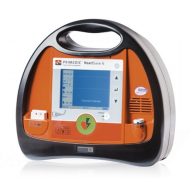
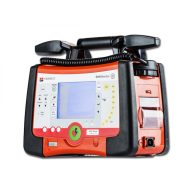
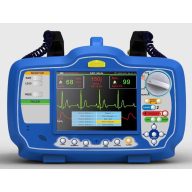
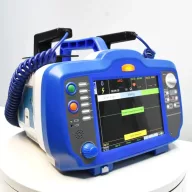
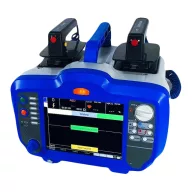
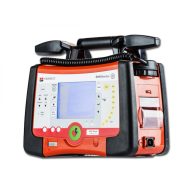
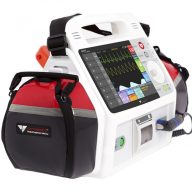
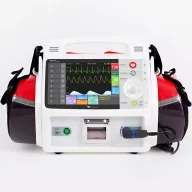
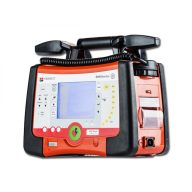
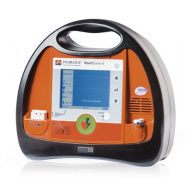
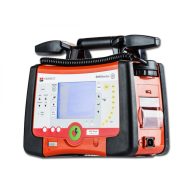
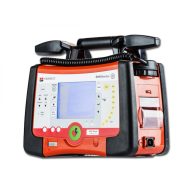
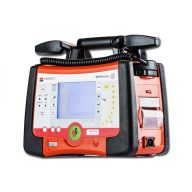
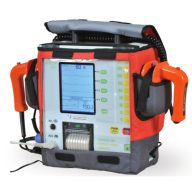
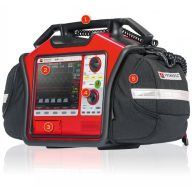
When it comes to professional defibrillators, there is a wide array of types and models to choose from, each offering different functionalities and specifications to meet the demands of various medical scenarios. Defibrillators equipped with integrated patient monitors enable simultaneous display of ECG, blood pressure, and pulse oximeter data, allowing medical practitioners to swiftly and accurately assess a patient's condition. These devices are particularly invaluable in ambulances and hospital emergency departments, where every second is crucial.
The choice between synchronized and asynchronous defibrillators depends on the type of cardiac arrhythmia being treated. Synchronized defibrillators are commonly used for atrial fibrillation, whereas asynchronous defibrillators are more suitable for ventricular fibrillation, where the heartbeat is entirely erratic.
Some models also feature built-in pulse oximeters, which measure blood oxygen levels—an essential function when anticipating a sudden deterioration in a patient's condition. Such multifunctional devices enable healthcare professionals to respond swiftly to changing conditions and provide the most effective care possible.
Portability and ease of use are key considerations when selecting professional defibrillators, especially for healthcare personnel working in the field. Lightweight and compact designs facilitate transport and rapid deployment in situations where time is a critical factor.
The durability and reliability of these devices are also of paramount importance, as they are often used under extreme conditions. The latest technological advancements ensure that defibrillators are longer-lasting and easier to maintain, ensuring they are always ready for use in emergencies.
Overall, professional defibrillators are indispensable tools for healthcare providers engaged in life-saving work daily. The development and integration of such devices into modern medical care contribute to improving patient survival rates and enhancing the quality of emergency services. Whether in a hospital or out in the field, these devices ensure that healthcare professionals are equipped to deliver timely and effective interventions.


