
Urine analyzers are essential tools in modern medical laboratories, providing fast and accurate diagnostic results. These devices allow for the quantitative determination of various urine components, such as bilirubin, protein, glucose, and red blood cells, aiding in the detection and monitoring of various health conditions like kidney diseases or diabetes. Their simple operation makes them ideal for both hospitals and smaller medical offices.
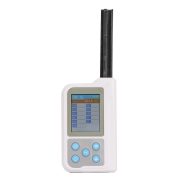
Contec BC401 urine analyzer
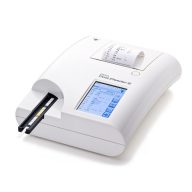
DocUReader 2 PRO is a diagnostic urine analyzer
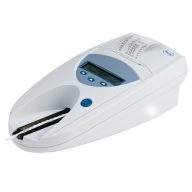
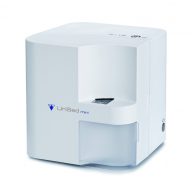
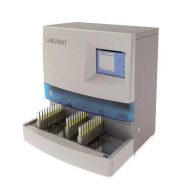
Urine analyzers offer numerous advantages, making them an ideal choice for various healthcare facilities. They are easy to use and reliable, minimizing the potential for errors. These devices typically feature automatic functions that allow for quick and efficient work, reducing the burden on laboratory staff.
The application areas of urine analyzers are extensive across different medical environments. In hospitals and clinics, their use aids in the precise and rapid assessment of patient conditions. Additionally, they are highly beneficial in general practitioner offices and during screening tests, as they enable the quick and accurate analysis of urine samples.
Key Features
- Multi-component Analysis: Capable of detecting and quantifying several analytes simultaneously, such as bilirubin, glucose, and protein.
- Fast Results: Thanks to automatic functions, reliable results are available within minutes.
- User-friendly Design: The interface is intuitive, requiring minimal training for use.
Why Choose Them?
Urine analyzers enhance laboratory efficiency and accuracy, enabling quick diagnoses and a deeper understanding of patient conditions. Their flexibility and versatility make them particularly advantageous in rapidly changing medical environments where accurate and timely diagnostics are crucial.
The devices are easily integrated into existing laboratory systems and can be utilized in a wide range of settings, from routine examinations to specialized diagnostic tasks. Thus, urine analyzers not only optimize the operation of healthcare facilities but also ensure fast and reliable diagnoses for patients, which is a fundamental requirement of modern medicine.


