
Bone density scanners are medical devices designed for measuring the density and strength of bones. They are primarily used in diagnosing and treating osteoporosis, but they also play a crucial role in assessing fracture risks and monitoring the effects of certain treatments.
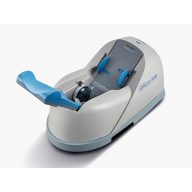
OsteoSys SONOST-2000 ultrasonic bone densitometer BMD
Bone density scanners are essential tools in the medical field, specifically when it comes to evaluating bone health. These devices employ advanced imaging techniques to provide precise measurements of bone mineral density (BMD), which is a critical indicator of bone strength and overall health. By measuring BMD, healthcare professionals can detect early signs of osteoporosis, a condition characterized by weakened bones and an increased risk of fractures.
The use of bone density scanners is not limited to just diagnosing osteoporosis. They are also vital in the prevention strategy, allowing doctors to assess the likelihood of fractures in patients with various risk factors such as age, family history, and certain lifestyle choices. This information is incredibly valuable in tailoring treatment plans and recommending lifestyle changes to reduce the risk of bone loss.
Bone density scanners operate using technologies such as Dual-energy X-ray Absorptiometry (DEXA or DXA), which is the most widely used method due to its accuracy and quick results. The process is non-invasive, painless, and typically involves scanning areas prone to fracture, such as the hip and spine. The results can guide healthcare providers in making informed decisions about medication use, dietary supplements, and the necessary lifestyle adjustments to maintain or improve bone health.
Moreover, these scanners are instrumental in monitoring the effectiveness of ongoing treatments for osteoporosis or other bone-related conditions. By providing periodic updates on bone density, doctors can adjust treatment plans as needed, ensuring the most effective approach for maintaining or improving bone health.
Incorporating bone density scanning into regular health assessments can be particularly beneficial for postmenopausal women and older adults, who are at a higher risk of osteoporosis. However, anyone with risk factors for bone loss should consider discussing bone density testing with their healthcare provider. Investing in bone health today can lead to a healthier, more active life in the future.


