
Veterinary VET models are indispensable tools in veterinary education and professional training. These models allow students and practicing veterinarians to gain a deeper understanding of animal anatomy and physiology. With detailed and accurate design, these models help learners visualize and study complex anatomical structures, thereby supporting more effective and precise diagnosis and treatment.
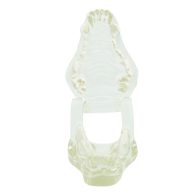
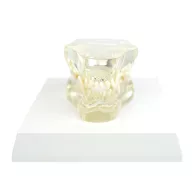
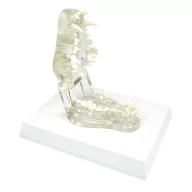
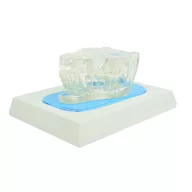
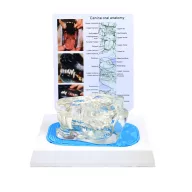
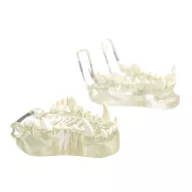
A wide range of veterinary VET models is available to meet all professional needs, whether for educational purposes or practical applications. These models depict the anatomy of various animal species, including dogs, cats, horses, and other domestic animals. The richness in detail and accuracy of the models allows users to thoroughly understand the internal structures of specific species.
These models are particularly beneficial for educational institutions, as they provide an opportunity for practical learning without the presence of live animals. Veterinary faculties and professional training programs enable students to acquire the necessary skills in a safe and controlled environment.
For practicing veterinarians, VET models serve as excellent tools for explaining complex cases and assisting in informing their clients about their pets. The use of models also promotes communication among professionals by providing visual aids for developing diagnostic and treatment plans.
VET models replicate the smallest anatomical details, such as muscles, bones, joints, and internal organs, ensuring an accurate and reliable educational and diagnostic tool. The models often have a modular design, allowing for the interchangeability and combination of different parts, which further enhances learning opportunities.
Choose from our selection of veterinary VET models to enhance your educational methods, improve your diagnostic skills, and help students and professionals gain a deeper understanding of the complex anatomy and physiology of animals. These tools are indispensable in modern veterinary practice, where commitment to precision and detail is key to successful treatment and animal welfare.


