
Fans are essential electrical devices used primarily to enhance air circulation and cool down spaces. These versatile appliances come in various sizes and designs, catering to multiple applications including homes, offices, shops, industrial facilities, and more. Fans feature rotating blades or rotors powered by a motor. As the fan blades spin, they move air around, aiding in airflow and cooling. Fans are typically categorized into two main types: desk/standing fans and ceiling/wall fans. Desk/standing fans are compact and portable, ideal for personal use or cooling smaller spaces. They usually offer multiple speed settings for customized cooling. Ceiling/wall fans are generally larger and more powerful, providing efficient cooling for larger areas. These fans are typically powered by a central power source and can be mounted on the ceiling or wall. Fans are popular during the summer months when the hot air necessitates cooling and air circulation. Additionally, fans can effectively refresh humid, stuffy environments and disperse odors.

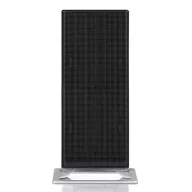
Fans are indispensable in any environment where air circulation and cooling are needed. These electrical devices are designed to move air efficiently, making them a staple in both residential and commercial settings. Their ability to provide instant relief from heat and humidity makes them especially popular during the warmer months. There are several types of fans available on the market, each tailored to specific needs.
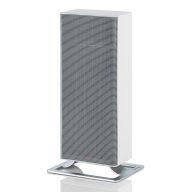
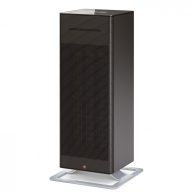
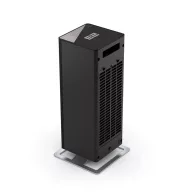
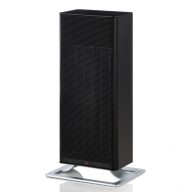
Desk and Standing Fans: Known for their portability and ease of use, these fans are perfect for small rooms or personal spaces. They often come with adjustable speed settings, allowing users to control the airflow according to their preferences. The compact design ensures they can be easily moved from room to room, providing flexibility in their usage.
Ceiling and Wall Fans: These fans are more robust, designed to cover larger areas more effectively. They are typically installed in a fixed location, either on the ceiling or wall, and connected to the main power supply. Ceiling fans are particularly beneficial in living rooms, bedrooms, and offices, where widespread air circulation is needed. Wall fans, on the other hand, are ideal for areas where floor space is limited.
Industrial Fans: For industrial or commercial settings, larger and more powerful fans are used to maintain airflow in larger spaces. These fans are built to withstand tougher conditions and are essential in environments like factories or warehouses.
Fans are not only about cooling; they also play a significant role in maintaining air quality. By circulating air, they help to disperse stagnant air and reduce odors, contributing to a fresher indoor environment. Moreover, fans can complement air conditioning systems by distributing cool air more evenly throughout a space, potentially reducing energy consumption and costs.
When selecting a fan, consider the size of the space, the level of airflow required, and the specific features you need. From sleek, modern designs that blend seamlessly into contemporary interiors to powerful industrial models that tackle the toughest environments, there is a fan to suit every requirement. Investing in a quality fan ensures a comfortable and pleasant atmosphere in any setting.


