
Monopolar electrodes are small electrodes placed on the human body to record electrical signals. These electrodes are generally categorized into two main types: surface electrodes and needle electrodes. Surface electrodes are soft, adhesive-backed electrodes applied to the skin, useful for measuring or stimulating the electrical activity of muscles, nerves, or other tissues. Needle electrodes, on the other hand, are thin, needle-like electrodes inserted through the skin or tissues into the body, typically used in more invasive procedures. Needle electrodes allow physicians to directly access tissues or organs to measure electrical signals or introduce impulses. Medical monopolar electrodes and accessories are crucial in diagnostic and therapeutic treatments.

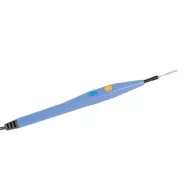
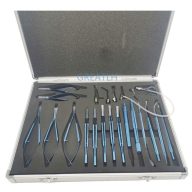
Titanium instrument set, micro forceps, scissors, needles - 21 pieces coagulator
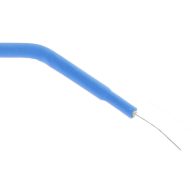
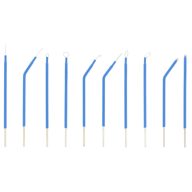
Coagulator electrode WIRE 0.2 mm, angled at 45°, 5 cm long, set of 6 pcs
Monopolar electrodes are crucial components in medical diagnostics and therapeutics, employed in various procedures to capture the body's electrical signals. These versatile tools are primarily divided into surface electrodes and needle electrodes, each serving unique purposes based on the specific medical requirements.
Surface electrodes are designed with a soft, adhesive layer that sticks comfortably to the skin, making them ideal for non-invasive applications. They are extensively used to monitor and stimulate the electrical activities of muscles and nerves. This capability is particularly beneficial in neuromuscular assessments and rehabilitation therapies, where understanding muscle function is critical. The adhesive nature ensures these electrodes remain securely in place during the procedure, providing accurate and consistent readings.
In contrast, needle electrodes are crafted for precision in more invasive diagnostic and therapeutic practices. These slender, needle-like electrodes penetrate the skin to directly interface with tissues, offering a detailed examination of electrical activities within deeper bodily structures. This direct access is invaluable in procedures requiring precise stimulation or monitoring, such as in electrophysiological studies or intraoperative monitoring.
The accessories accompanying monopolar electrodes further enhance their functionality. These include specialized connectors, wires, and adapters tailored to ensure compatibility with various medical devices and systems, optimizing the efficiency of the procedures they support. The careful design of these accessories reflects the need for reliability and ease of use in clinical settings, where precision and safety are paramount.
Medical professionals rely on both types of electrodes, along with their accessories, to perform a wide range of diagnostic and therapeutic interventions. From routine examinations to complex surgical procedures, monopolar electrodes are indispensable in modern medicine, facilitating advancements in patient care and treatment outcomes. Their ability to provide real-time feedback and precise stimulation makes them a valuable tool in enhancing the understanding and treatment of various medical conditions.


