
Slit lamps are fundamental tools in ophthalmic examinations, allowing detailed inspection of both the anterior and posterior segments of the eye. These devices play a crucial role in maintaining eye health by helping to identify early-stage eye diseases and abnormalities. During a slit lamp examination, both the surface and internal parts of the eye can be thoroughly examined, ensuring that even the smallest changes do not go unnoticed.
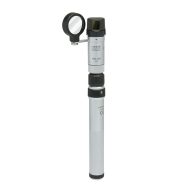

Slit lamps are specialized microscopes with magnification capabilities, enabling a thorough examination of the eye's structure. When used, an ophthalmologist can identify abnormalities in the cornea, conjunctiva, lens, and retina, as well as assess the condition of the tear film. Thus, slit lamps are pivotal in the early recognition and treatment of eye diseases, contributing to vision preservation and complication prevention.
Slit lamp examinations are not only essential for detecting ophthalmic diseases but also provide insights into overall health. For instance, changes caused by conditions like diabetes or hypertension can be observed in the state of the eye's blood vessels, aiding in the management of these diseases.
Slit lamps are available in various types, including portable and tabletop models, which can be chosen based on different clinical needs. When selecting these instruments, it's important to consider the intended use, practical portability, as well as optical quality and magnification capabilities.
Modern slit lamps incorporate numerous technological advancements, such as LED lighting and digital imaging, allowing for more detailed examinations. These developments contribute to more accurate diagnoses and quicker, more effective patient treatments. Quality slit lamps are therefore indispensable in any ophthalmic practice, ensuring the highest level of care for patients.


