
Training defibrillators are crucial tools used in first aid and cardiovascular emergency preparedness. These devices are specifically designed to simulate real-life life-threatening situations, allowing users to practice handling a defibrillator. Training defibrillators come equipped with various functions and settings that enable users to simulate different cardiac arrhythmias, such as atrial fibrillation or ventricular fibrillation. Additionally, they often include built-in visual and audio feedback to help instructors and learners monitor the accuracy and effectiveness of the treatment. Training defibrillators are generally easy to use, safe, and portable, making them suitable for educational purposes in hospitals, healthcare facilities, first aid courses, and similar environments. With these devices, users can learn how to correctly apply a defibrillator, assess cardiac arrhythmias, and perform appropriate life-saving measures.

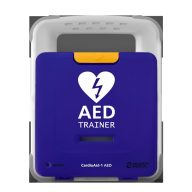
CardioAid-1 AED Trainer defibrillator, programmable, with free tablet
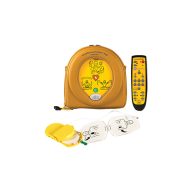

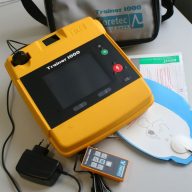
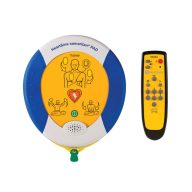

Training defibrillators are essential for preparing individuals for first aid and cardiovascular emergencies. These devices are meticulously crafted to mimic real-life emergencies, providing a safe environment for users to practice defibrillator usage. With an array of features and settings, training defibrillators allow the simulation of various cardiac arrhythmias, such as atrial fibrillation and ventricular fibrillation. To aid in the learning process, many models come with integrated visual and auditory feedback systems that enable both instructors and students to track the accuracy and efficiency of their interventions.
These defibrillators are designed to be user-friendly and secure, with most models being portable, which makes them ideal for educational settings like hospitals, medical institutions, first aid training sessions, and other similar contexts. Through the use of training defibrillators, users are equipped to understand the correct application of a defibrillator, the evaluation of heart arrhythmias, and the execution of necessary life-saving actions.
The importance of training defibrillators cannot be overstated in medical education and emergency preparedness. They offer a hands-on learning experience that is invaluable for both seasoned healthcare professionals and those newly entering the field. By regularly practicing with these devices, users can develop quick decision-making skills and confidence, which are crucial during an actual cardiac emergency.
Furthermore, the portability of training defibrillators ensures that they can be utilized in a variety of settings, from in-hospital training sessions to community health workshops. This flexibility means that more people can access training, thereby increasing the number of individuals capable of responding effectively to cardiovascular emergencies.
In conclusion, the role of training defibrillators in emergency preparedness and medical training is vital. They equip users with the necessary skills to handle life-threatening situations with competence and composure. Whether used in a professional healthcare environment or during a first aid course, these tools are indispensable for anyone looking to enhance their knowledge and ability to save lives.


