
INR (coagulation) monitors are indispensable tools for accurately measuring blood clotting time, especially for individuals taking anticoagulant medications like warfarin. These devices allow patients to regularly check their INR levels from the comfort of their homes, reducing the need for frequent laboratory visits. Easy to use, they provide quick results that help healthcare providers fine-tune therapy and prevent complications. Their compact size and portability mean they can be taken anywhere, ensuring regular monitoring during travel.
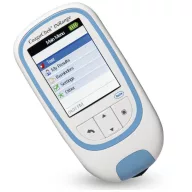
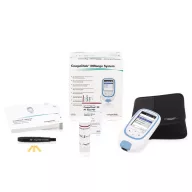
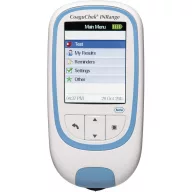
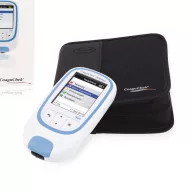
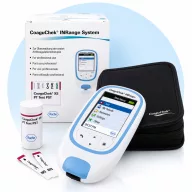
CoaguChek INRange device
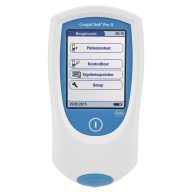
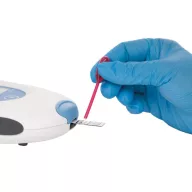
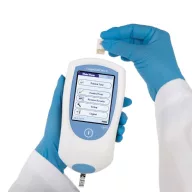
CoaguChek Pro II coagulation meter
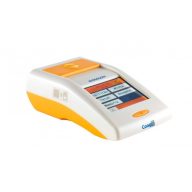
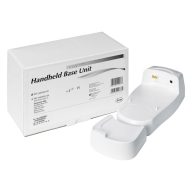
INR (coagulation) monitors can be particularly useful in various medical settings where rapid and accurate measurement of blood clotting time is crucial. These devices benefit not only patients but also medical staff by enabling swift decision-making for treatment adjustments or scheduling interventions.
What Benefits Do INR Monitors Provide?
- Accuracy and Reliability: INR monitors utilize modern technology to ensure accurate and reliable results.
- Convenient Use: Compact and easy to handle, these devices are perfect for home use.
- Quick Results: Testing is fast, allowing patients to respond immediately to their results.
- Cost-Effectiveness: Avoiding regular lab visits saves on costs, as these devices facilitate home monitoring.
How Do INR Monitors Work?
The operation of INR monitors is simple and intuitive. Users need only place a few drops of blood on the device's test strip, after which the device automatically carries out the necessary measurement processes. Results are displayed on a digital screen, and most devices feature memory capability to track past readings.
Different Types and Features
Users can choose from various types and features of INR monitors. Some models come with Bluetooth connectivity, allowing data to be easily synchronized with other devices like phones or computers.
Summary
INR (coagulation) monitors play a crucial role in modern medical practice, especially for those undergoing anticoagulant treatment. These devices not only improve patients' quality of life but also assist doctors in devising the best possible treatment plans for their patients.


