
Headlamps provide the necessary illumination for the area being treated, making them indispensable tools in various surgical procedures. They come with numerous benefits, such as granting doctors freedom of movement, being portable, and occupying minimal space. By significantly reducing shadows and thanks to their LED lighting, they offer consistent brightness and emit the right amount of light.
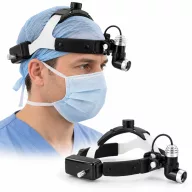
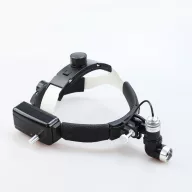
5W LED Head Light For Binocular Loupes
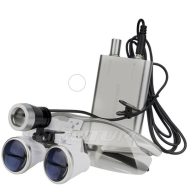
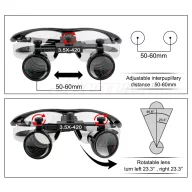
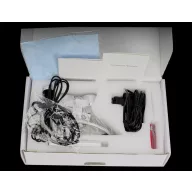
3.5X magnification binocular magnifier with LED headlight, gray
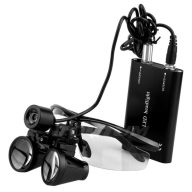
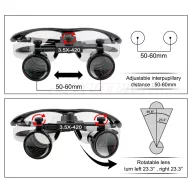
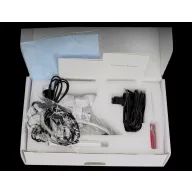
3.5X magnification binocular magnifier with LED headlight, black
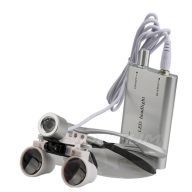
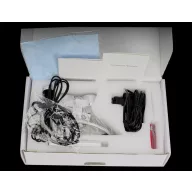
2.5X magnification binocular magnifier with LED headlight, gray
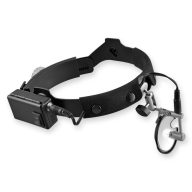
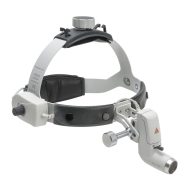
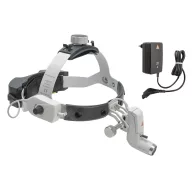
HEINE ML 4 LED Forehead Lamp with plug-in adaptor
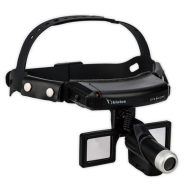
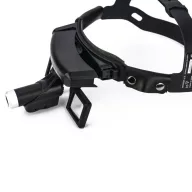
Bistos LED headlamp BT410F with magnifying glasses and battery
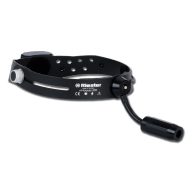
Riester Ri - Focus headlight and examination lamp, LED, 6 V, (Includes rechargeable NiMH batteries and 230V charger)
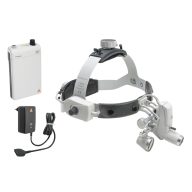
HEINE ML 4 LED Forehead Lamp with HEINE mPack and plug-in adaptor
Headlamps are essential tools in the field of surgery, providing the critical illumination needed for precision and accuracy during procedures. These devices offer a range of benefits that enhance the surgical experience. One of the primary advantages is the freedom of movement they provide; surgeons can move seamlessly without being tethered to a stationary light source, allowing for greater flexibility and efficiency in the operating room.
The portability of headlamps adds to their convenience. Unlike traditional overhead lights, headlamps are compact and easy to carry, making them suitable for various medical settings, including outpatient clinics and mobile medical units. This mobility ensures that surgeons can have reliable lighting wherever they need it, without compromising on performance.
Moreover, the design of headlamps significantly reduces shadows, which is a common challenge in surgical environments. Shadows can obscure the view and make it difficult to perform tasks with the precision required. By minimizing these shadows, headlamps enhance visibility and allow surgeons to focus on the task at hand with clear, unobstructed vision.
The integration of LED technology into headlamps has revolutionized their functionality. LEDs provide consistent and even light distribution, which is crucial during delicate procedures. The brightness level is steady and can often be adjusted to suit different environments and needs. Additionally, LED bulbs are energy-efficient, have a longer lifespan, and emit less heat, making them comfortable to wear for extended periods.
In conclusion, headlamps are a vital component in the surgical toolkit, offering unparalleled lighting solutions that are versatile, efficient, and tailored to meet the demands of modern medical practices. Whether in a high-tech operating theater or a field hospital, headlamps ensure that optimal lighting is always within reach.


