
Accurate measurement of range of motion is crucial in medical diagnostics and rehabilitation. Goniometers, scoliometers, and inclinometers are precision tools that enable healthcare professionals to precisely track joint movements and spinal curvatures. These instruments are indispensable for physiotherapists, orthopedic doctors, and other medical professionals to develop effective treatment plans and monitor patient progress. Various designs and measurement ranges are available to meet all unique needs, whether measuring the movement of the shoulder, knee, hip, or spine.
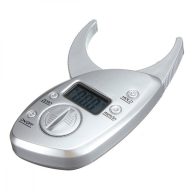
Digital fat caliper
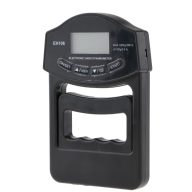
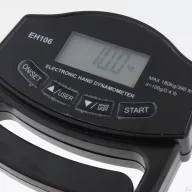
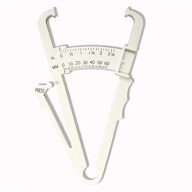

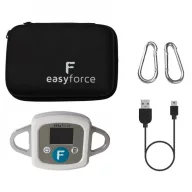
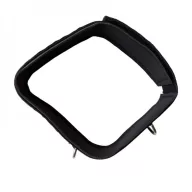
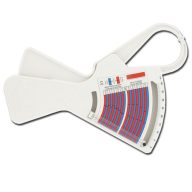
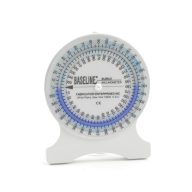
inclinometer, for measuring the angle of the cervical, thoracic or lumbar spine
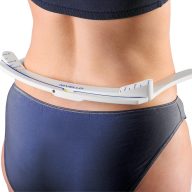
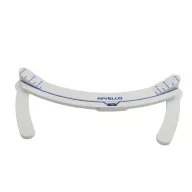

Goniometers, scoliometers, and inclinometers come in various types and functions, making them essential in numerous clinical and rehabilitation scenarios.
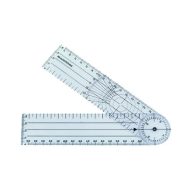
Goniometers are specifically designed to measure the angles of joints. Typically made from plastic or metal, they may feature various scales to accurately gauge the angles formed by joints. Digital versions offer extra precision, while analog models are favored for their simplicity and durability.
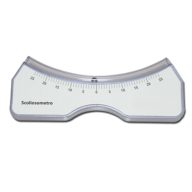
Scoliometer tools are developed for measuring the curvature of the spine. They assist in the early detection and tracking of scoliosis, which is particularly important in pediatrics, where improper spinal formation during growth can lead to significant health issues.
Inclinometers measure the tilt angles of different body parts and are frequently used to assess the mobility of the spine and other joints. These tools play a vital role in physiotherapy treatments, as they help determine the effectiveness of interventions and track patient progress.
Applications
- Orthopedic Examinations: Accurate measurement of joint range of motion aids doctors in establishing the correct diagnosis.
- Physiotherapy and Rehabilitation: The use of these tools allows therapists to monitor patient improvements and adjust treatment plans accordingly.
- Sports Medicine: These tools assist coaches and sports doctors in optimizing athlete performance and preventing injuries.
These tools are not only beneficial to professionals but also to patients, as they gain a better understanding of their own body's movement mechanics and progress during treatments. The equipment is easy to use, portable, and an essential part of the modern medical toolkit.


