
Bags
Bags play a crucial role in the lives of healthcare professionals, enabling them to easily carry all necessary tools and equipment during their daily work. These bags come in various shapes and materials to meet the unique needs of doctors, nurses, and other medical personnel. Medical bags are designed and manufactured based on the location of use, the type of equipment to be stored, and personal preferences. Both hard and soft-covered bags offer convenient and effective storage solutions, ensuring that healthcare workers are always equipped for urgent medical interventions.
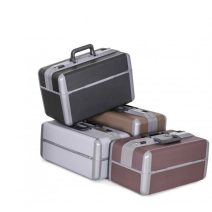
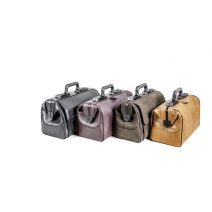
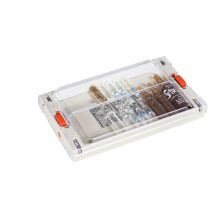
Bags are essential for healthcare professionals, providing a convenient way to carry all necessary tools and equipment needed in their daily routines. These bags vary in form and material to satisfy the specific demands of doctors, nurses, and other medical experts. The design and materials of medical bags depend on their intended use, the type of equipment they need to store, and personal preferences. Whether it's a hard-shell or soft-cover bag, these storage solutions are designed to be both practical and efficient, ensuring that healthcare workers always have the necessary tools at hand for urgent medical situations.
In the healthcare environment, the right bag can make all the difference. It's not just about storage; it's about accessibility and readiness. Medical professionals require bags that are not only durable and easy to carry but also organized to allow for quick access to vital tools and equipment. This is especially crucial in emergency scenarios where every second counts.
Modern medical bags are equipped with multiple compartments and pockets, specifically designed to hold a variety of medical instruments and supplies securely. From stethoscopes and thermometers to bandages and medications, these compartments ensure that each item has its place, reducing the risk of misplacement or damage.
Moreover, the materials used in manufacturing these bags are chosen for their durability and ease of cleaning. Materials like ballistic nylon or high-grade leather offer strength and resilience against the rigors of constant use, while also being easy to sanitize, which is a critical requirement in any medical setting.
Ergonomics also play a significant role in the design of medical bags. Features such as padded straps, adjustable harnesses, and lightweight construction are considered to reduce the physical strain on the user, making it easier to carry the bag over long shifts. Some bags even incorporate wheels for added convenience, especially when transporting heavier equipment.
For healthcare professionals who are constantly on the move, having a reliable and well-designed bag is not just a convenience—it's a necessity. It ensures that they are prepared for any situation, wherever their duties take them, from hospital rounds to field emergencies.
In conclusion, medical bags are more than mere accessories; they are critical components of a healthcare professional's gear, integral to the effective delivery of medical care. When choosing a medical bag, it's important to consider factors such as capacity, durability, material, and ergonomics to ensure that it meets the specific requirements of the user and the demands of their environment.


